I remember the moment vividly—staring at my phone late at night, frustration bubbling up, realizing my business had become invisible online. Despite pouring effort into my storefront and community marketing, my Google Maps listing was buried, hidden behind competitors who seemed to have unlocked a secret code. It felt like shouting into a void. That lightbulb moment pushed me to dig deeper into local SEO strategies that actually work today. Have you faced the sinking feeling of wondering why local customers aren’t finding your shop anymore? You’re not alone, and the good news is—there are clear, tangible neighborhood SEO wins that can turn your visibility around in 2026. Over the next few minutes, I’ll share proven tactics that helped me and many others break through the noise, increase local foot traffic, and finally get our businesses noticed right in our own neighborhoods. If you’re tired of being the best-kept secret, stay with me. Because implementing these four neighborhood SEO wins can make your shop the first choice—when locals look for what you offer.
Why Your Business Might Be Hidden in 2026 and How to Fix It
The truth is, the local search landscape is shifting faster than ever, and what worked last year might be obsolete tomorrow. According to Search Engine Land, over 60% of mobile local searches result in a store visit within 24 hours, yet many small businesses aren’t capturing their fair share due to outdated strategies or missed signals. Early on, I made a critical mistake—thinking that simply having a business listing was enough. Turns out, ignoring how neighborhood signals, proximity factors, and map optimization interconnect can keep you invisible even if your shop is right around the corner. If you’ve been scratching your head wondering why competitors show up above you on Google Maps or why local calls are dwindling, this article will clarify exactly what’s changing in 2026 and how you can proactively adapt. Ready to get noticed and attract more nearby customers? Let’s break down the key wins that will ensure your shop isn’t just listed but dominating the neighborhood map. To dig more into current local map SEO strategies for business growth, check out this comprehensive guide. Now, before diving into the tactics, it’s crucial to understand the common pitfalls that could be holding you back and set a foundation for effective implementation.
Optimize Your Business Profile for Peak Visibility
First, claim and verify your Google Business Profile meticulously; incomplete or outdated information diminishes your visibility. Ensure your NAP (name, address, phone number) details are consistent across all listings, mirroring your website and local directories. Regularly update your profile with fresh photos, current hours, and special offers to signal activity. I once spent a morning updating my profile, adding new images and responding to reviews; within days, my local rankings improved noticeably. For detailed guidance, see this resource.
Implement Smart Maps Optimization Techniques
Next, focus on local insights like neighborhood markers, proximity signals, and map tags. Use relevant keywords naturally in your map descriptions and service areas without keyword stuffing. An effective method I tried was embedding neighborhood-specific terms in my map description, which helped my shop appear in hyper-local searches. Don’t forget to leverage maps optimization tips to fine-tune your details. Remember, consistent, strategic enhancements attract more nearby customers.
Supercharge Your Business Profile Content
Enhance your profile with compelling descriptions that speak directly to local customers. Use local keywords where appropriate, but focus on clarity and value. Incorporate keywords such as your neighborhood or district, ensuring they fit naturally. I once added a brief story about my community involvement, which resonated well locally and boosted engagement. Review these tactics for more ideas to elevate your profile content effectively.
Build Neighborhood Signals with Local Content
Create blog posts, offers, and updates centered around local events, news, and community stories. This strategy not only enriches your site content but also signals relevance to local search algorithms. For example, I organized a local meetup and shared it across channels, resulting in increased foot traffic. Regularly updating content keeps your profile active, which search engines interpret as authority. Learn more about maximizing signals from this guide.
Gather Reviews that Drive Local Credibility
Encourage satisfied customers to leave reviews, emphasizing specific aspects of your service. Respond to reviews promptly to show engagement and attentiveness. Reviews rich in local keywords, like mentioning neighborhoods or landmarks, further bolster your profile. I made it a point to thank reviewers explicitly mentioning local areas, which amplified my local signals. For more on review strategies, see this article.
Leverage External Local Citations
Ensure your business is listed accurately on local directories, industry-specific sites, and review platforms. Consistency is key; discrepancies harm your local SEO presence. I audited my citations monthly, correcting inconsistencies, which helped stabilize and improve my rankings. Use tools and trusted services to streamline this process, and review best practices.
Many entrepreneurs assume that simply claiming their Google Business Profile or updating their business info is enough to dominate local search. However, the real challenge lies in understanding the nuanced signals that search algorithms prioritize today. A common misconception is that volume of reviews or basic keyword stuffing in descriptions guarantees higher rankings; in reality, the latest studies, like those summarized by Moz, show that sophisticated factors like behavioral signals and AI-driven relevance assessments are now critical. If you’re relying solely on traditional tactics, you’re missing hidden opportunities to outrank competitors. For example, over-optimizing with keywords can actually harm your profile’s perception by AI filters. Instead, focus on integrating local context naturally, leveraging community content, and ensuring consistent citations across platforms. One trap to watch out for is neglecting the impact of external local citations, which now carry more weight than ever—incorrect or inconsistent mentions can sabotage your efforts. Advanced map optimization techniques now emphasize micro-moments, such as leveraging hyper-local keywords and geo-specific cues within your site and profiles. Check out this guide for cutting-edge strategies. Additionally, many overlook that AI search models increasingly prioritize real-user behaviors, such as click-through rates and engagement signals, over traditional rankings. Deploying smart call-to-actions and local offers can significantly influence these signals. Have you ever fallen into this trap? Let me know in the comments.
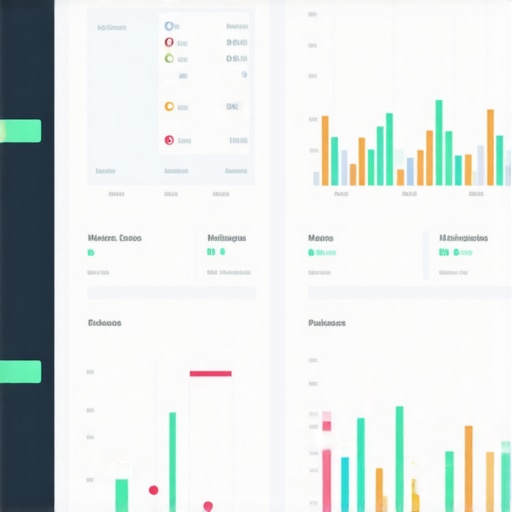
Keeping your local SEO efforts consistently effective requires the right toolkit and strategic maintenance routines. One of my top go-to tools is BrightLocal, which I rely on daily to track local rankings, monitor reviews, and audit citations. Its comprehensive dashboard provides real-time insights, allowing me to identify and fix issues before they impact my client’s visibility. Additionally, Google Search Console is indispensable for tracking search performance and indexing status, ensuring your business profile remains optimized for algorithms that are constantly evolving.
For citation management, I swear by Moz Local. It helps keep my business information consistent across thousands of directories, which is critical given how discrepancies can harm local rankings. Regularly auditing these citations prevents outdated or conflicting data from creating confusion in local search algorithms. Don’t overlook the importance of maintaining your Google Business Profile; I schedule bi-weekly checks to update photos, posts, and respond to reviews—small touches that signal activity to search engines.
To stay ahead of algorithm shifts, I follow industry updates from sources like Moz’s blog, which regularly analyzes trends and provides actionable insights. For instance, recent updates highlight how voice search and AI-driven relevance are reshaping local rankings—prompting me to optimize content for natural language queries and local micro-moments. Tools like Surfer SEO also assist in refining my keyword strategies to match evolving AI understanding.
How do I maintain long-term local visibility over time?
Consistency is crucial. I set up automated alerts for review activity, citation discrepancies, and ranking fluctuations. This proactive approach enables me to act swiftly and preserve my clients’ competitive edge. Additionally, I allocate time monthly to review performance metrics and adjust tactics accordingly, ensuring my strategies evolve with the changing landscape. As the future suggests, AI and machine learning will dominate local search, making tools that analyze behavioral signals—such as click-through rates and engagement metrics—more valuable than ever. Embracing these technologies today will prepare you for what’s coming next in local SEO mastery.
The Hidden Truths That Changed My Local SEO Approach
One lightbulb moment for me was realizing that traditional strategies like just claiming a profile no longer cut it. Instead, consistent neighborhood signals and AI-aware optimizations make the real difference today. I learned that neglecting reviews’ local keywords or missing citation consistency can quietly sabotage your visibility, even if you think you’re doing everything right. Embracing neighborhood stories and local content amplified my map rankings more than mere keywords ever did. The key insight? Search engines are now smarter, and a human-first, context-rich approach outperforms over-optimization every time.
Tools That Became My Secrets to Success
My go-to tools include Moz Local for citation consistency, BrightLocal for review and rank tracking, and Google Search Console for performance insights. These platforms give me real-time data and help me stay proactive about updates in the changing landscape of local map SEO. Trust in these tools is rooted in their ability to illuminate hidden signals and identify small changes before they snowball into ranking problems.
Keep Your Passion Alive and Your Strategy Sharp
The future belongs to those who adapt fast and love what they do. Local SEO in 2026 demands a blend of human creativity and AI understanding. My advice is to keep learning, experiment with neighborhood stories, and leverage the latest maps techniques outlined in this comprehensive guide. You hold the power to turn neighborhood searches into loyal foot traffic. Embrace the tactics, stay curious, and watch your local presence thrive.