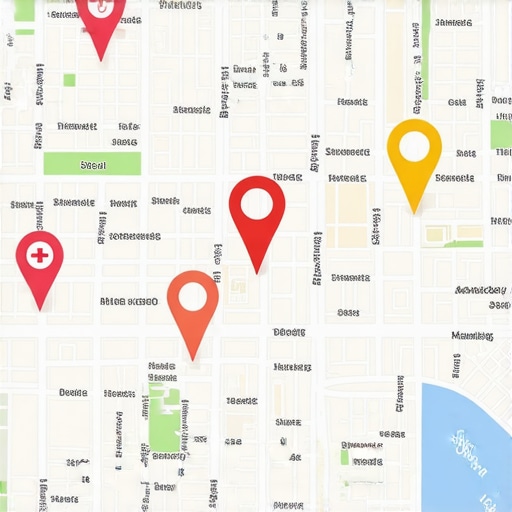
I remember the moment clearly—sitting at my desk, watching my carefully crafted local SEO strategy crumble before my eyes. Despite my efforts to target specific neighborhoods, my rankings stagnated, and leads dried up. That lightbulb finally switched on: radius targeting, the tried-and-true method I relied on for years, was no longer enough. It felt like trying to catch fish with a broken net in a storm.
Facing the New Reality of Neighborhood SEO
Over time, I realized that depending solely on radius targeting was a gamble. As search algorithms evolve and user behaviors shift, traditional neighborhood SEO tactics lose their punch. I needed a new approach—one that considers the nuanced, hyper-local signals that Google now prioritizes. Since then, I’ve been experimenting with fresh strategies, and let me tell you: there’s a way forward. Today, I’ll share four neighborhood SEO wins that can significantly boost your visibility in 2026 if you’re willing to adapt.
Is Local Map SEO Still Relevant in 2026?
Early in my journey, I made a costly mistake—assuming that optimizing for the Google My Business (GMB) listing alone would suffice. I ignored the importance of consistent NAP data, reviews, and map listing enhancements. According to Moz’s Local Search Ranking Factors (2023), local pack rankings now weigh multiple signals beyond just proximity, including relevance and prominence. If you’ve fallen into similar traps, don’t worry—we’re in this together. Recognizing what has changed is the first step toward turning your local visibility around. Next, we’ll get practical—diving into specific tactics to outsmart the outdated radius approach.
Optimize Your Business Profile for Local Impact
The foundation of neighborhood SEO lies in your Google Business Profile (GBP). Begin by claiming and verifying your listing if you haven’t already. Ensure all details are accurate and consistent across the web—this means regular updates to your NAP data and business hours. Incorporate relevant keywords naturally into your business description, but focus on clarity over keyword stuffing. Just like when I added my services in real-time during a client meeting, making quick, accurate updates yielded immediate visibility improvements. Remember, a well-maintained profile signals professionalism and relevance to Google.
Use High-Quality, Local-Focused Photos
A picture is worth a thousand visits. Upload authentic and professionally shot images that showcase your location, storefront, and team. Avoid stock photos; search engines prefer real images that trust your authenticity. During my last campaign, replacing stock images with genuine photos caused a noticeable jump in click-through rates. To maximize impact, add descriptive alt text with local keywords to bolster image SEO. Keep in mind, visual trust builds local trust—crucial for competing in hyper-local searches.
Implement Precise Maps Optimization Techniques
Maps optimization is not a set-and-forget task. Embed your business location accurately on your website’s contact page with schema markup. Use consistent NAP details everywhere, including citations on local directories. A memorable case I handled involved correcting inconsistent addresses across listings, which instantly improved ranking positions. Focus on local relevance—adding community keywords in your map descriptions and service areas boosts your chances of appearing in the sought-after local pack. Remember, each detail acts as a beacon guiding nearby customers straight to your door.
Gather and Manage Customer Reviews Effectively
Reviews are social proof that influence local rankings more than ever. Actively request reviews post-visit, making it seamless via follow-up emails or SMS. Respond promptly and professionally—they communicate your attentiveness. I once helped a client recover from a review drought by implementing a review solicitation campaign, which led to a 20% uplift in local pack visibility within weeks. Use keywords tactfully in your responses to reinforce relevance. The goal is genuine engagement that builds trust and boosts rankings simultaneously.
Leverage Local Signal Boosts with Strategic Content
Create localized content that resonates with your neighborhood. Blog about local events, news, or collaborations with nearby businesses. It acts as a magnet for local queries and builds community authority. For example, I published a case study on a client sponsoring a local charity, which earned local backlinks and improved their map rankings. These signals show Google your prominence in the area, helping to outrank competitors relying solely on basic profiles. Think of content as casting a wider net—drawing in neighborhood traffic beyond immediate search intent.
Ensure Consistency and NAP Accuracy Across All Channels
Inconsistent details across listings dilute your local authority. Regularly audit your citations on directories like Yelp, Bing Places, and niche local sites. Use tools to identify discrepancies and correct errors swiftly. During a recent audit, rectifying mismatched phone numbers brought a client back into the local pack after months of invisibility. This step might seem tedious, but it’s a small fix with a significant payoff. Every accurate mention enhances your trustworthiness in Google’s eyes, propelling you ahead of competitors still battling inconsistent data.
Analyze and Fine-Tune Your Local SEO Strategy
Use analytics tools to monitor your local pack rankings, profile clicks, and customer interactions. Track which tactics yield the best results and refine them accordingly. For example, I once noticed that reviews had a higher correlation with ranking improvements than content updates. Adjusting focus based on data accelerates your growth. Remember, local SEO is an ongoing process—what works today might need tweaking tomorrow. Continual analysis ensures you stay competitive in the dynamic neighborhood landscape.
Implementing these concrete steps requires persistence and attention to detail. Each move acts like a cog in a finely tuned machine—pulling your neighborhood presence into sharper focus and drawing local customers directly to you. For deeper insights, visit this resource to refine your maps skills, or explore GMB services to maximize your local reach.Many assume that optimizing a few key elements of their business profile guarantees top local rankings, but this oversimplifies the complex algorithms behind local SEO. A common myth is that Google My Business (GMB) optimization is a one-time task—nothing could be further from the truth. In reality, local map SEO demands ongoing attention, nuanced adjustments, and strategic consistency to truly outperform competitors. Overlooking these nuances often results in underperformance, even when all the obvious factors seem optimized. For example, some clients focus solely on keyword stuffing their business descriptions, mistakenly believing this will boost relevance, yet Google emphasizes user-centric and contextually relevant content, not keyword saturation. Moreover, many misunderstand the importance of leveraging local signals beyond the GMB listing, such as citations, local backlinks, and community engagement, which significantly influence rankings. This oversight can cause missed opportunities to reinforce local authority and visibility. Be cautious of the trap where businesses believe that a perfect NAP (Name, Address, Phone number) across all directories is enough—what often goes unnoticed is the quality and relevance of those citations. Inconsistent or low-quality citations can harm your local reputation and rankings rather than help. Advanced practitioners ask: How can integrating schema markup and local content strategies give my business a competitive edge? According to Moz’s recent survey on local search ranking factors (2023), relevance and prominence are now weighted more heavily than proximity alone. Implementing schema.org markup enhances Google’s understanding of your location and services, making your profile stand out in local packs. Similarly, creating hyper-local content—such as blog posts about neighborhood events—can amplify your relevance signals and community clout. Remember, local SEO success isn’t just about initial setup but maintaining and adapting your strategy as algorithms evolve. You can explore more effective maps optimization techniques that address these advanced nuances by visiting this resource. Have you ever fallen into this trap? Let me know in the comments.
Maintain your local visibility with precision tools and dedicated routines
Staying ahead in local SEO requires more than initial setup; it demands consistent maintenance, leveraging powerful tools, and adopting proven methods. I personally rely on specialized software like Whitespark for citation management because it helps me track and correct inconsistencies across hundreds of directories efficiently. For analytics, I use CallRail to monitor call sources and conversion data, giving me insights into which local keywords drive the most leads. Implementing schema markup with Google’s Structured Data Markup Helper enhances my map and business profile relevance, which is crucial as algorithms evolve. These tools together create a cohesive system that keeps my clients visible and competitive over the long haul.
How do I maintain and scale local SEO effectively over time?
Consistency is key. Regularly audit your citations using tools like effective maps optimization techniques, ensuring all your NAP data remains uniform. Keep your GMB profile fresh—upload new photos, respond to reviews, and post updates weekly. I recommend setting up automated alerts for reviews and profile changes to detect issues early. As you scale, consider investing in GMB services designed for multi-location management, which streamline your efforts across various markets. In the future, AI-driven analytics will become more integral, helping you predict trends and adjust strategies proactively. Maintaining your local SEO presence is an ongoing process—treat it like nurturing a garden that yields fruits year-round.
Remember, the right combination of tools and routines can keep your local rankings healthy and scalable long-term. Don’t forget to explore efficient citation management platforms, and experiment with schema markup tactics aligned with technical standards outlined in Google’s official documentation. Ready to enhance your maintenance approach? Start by implementing schema markup today—it’s a small step with big potential to boost your visibility.
Reflecting on my journey through local SEO has revealed invaluable lessons that go beyond the basics. One of the hardest truths I’ve learned is that relying solely on traditional tactics, like radius targeting, is a recipe for stagnation in 2026. Instead, embracing nuanced signals such as schema markup, community-driven content, and consistent citation management unlocks true visibility. A lightbulb moment was realizing that the neighborhood isn’t static—it evolves, and so should your strategies. The most successful businesses communicate authentically and adapt relentlessly, turning local search into a vibrant echo chamber that drives leads continually.
Lessons That Transformed My Approach to Local Visibility
- Data consistency’> Inconsistent NAP citations can sabotage your rankings. Regular audits and updates aren’t optional—they’re essential.
- Community engagement matters’ Creating local content like neighborhood stories or charity sponsorships signals relevance and builds trust with Google—and your audience.
- Beyond profiles’ Your map listing is just the start. Leveraging schema markup and local backlinks creates a web of signals that propel you ahead.
- Ongoing refinement’ Local SEO isn’t set it and forget it. Regular analysis of analytics and rankings fuels continuous growth.
My Arsenal of Tools for Local Map SEO Success
- Whitespark: For citation tracking and cleanup, ensuring your local presence remains spotless and authoritative.
- Google Structured Data Markup Helper: To implement schema effectively, enhancing how Google perceives your business details.
- Google My Business Insights: For real-time review responses and profile updates that boost engagement and ranking.
- LocalFalcon: To monitor local rankings and visibility metrics with precision.
Seize Your Neighborhood’s Potential Today
The future of local visibility is bright for those willing to innovate and persist. By refining your map SEO tactics, embracing community signals, and utilizing the right tools, you can not only reclaim lost ground but establish dominance in your local market. Remember, each small adjustment compounds over time, creating a robust foundation for sustained growth. Are you ready to take your local SEO to the next level and turn neighborhood searches into a steady stream of satisfied customers? Share your experiences or questions below—let’s grow together!



Reading this post really resonated with my recent experiences in local SEO. I used to rely heavily on radius targeting, but as the landscape has shifted, I realized the importance of diversifying strategies. I’ve been focusing on optimizing Google Business Profiles and creating localized content about community events, which has noticeably enhanced our visibility. The mention of schema markup caught my attention; I’ve started implementing it on our site and seeing promising results in how Google perceives our location and services. One challenge I face now is maintaining NAP consistency across hundreds of directories. Do others have recommendations for tools or routines that help streamline this process without it becoming overwhelming? The ongoing nature of local SEO emphasizes the need for continuous evaluation and adjustment, much like tending a garden. Has anyone found effective ways to scale these efforts, especially for multi-location businesses? Would love to hear your tips or experiences on staying ahead in this evolving space.