I remember the sinking feeling I got when I checked my business on Google Maps and saw my listing buried on the third page. Despite putting in effort—optimizing my profile, adding photos, and encouraging reviews—nothing seemed to move the needle. It was frustrating, and honestly, a bit disheartening. That moment was a lightbulb for me: I realized that even with the best intentions, I was missing the mark for local SEO in 2026.
The Stakes Are Higher Than Ever
In today’s hyper-competitive local landscape, your visibility on platforms like Google Maps can make or break your business. With more consumers relying on map searches to find nearby services, failing to rank well can mean the difference between a thriving pipeline of new customers and stagnation. You might have the best product or service, but if your business isn’t popping up in that all-important map pack, you’re invisible to countless potential clients.
Could Your Map Ranking Be a Fluke?
Here’s a startling fact: According to a study by BrightLocal, 78% of local mobile searches lead to an offline purchase, emphasizing how critical it is to dominate local map rankings. Yet, many businesses, including my own early on, unknowingly make sneaky mistakes that keep them from capturing these vital local leads.
By sharing my own mistake—ignoring the importance of consistent NAP (Name, Address, Phone Number) data—I can tell you from firsthand experience how tiny oversights can sabotage your efforts. It’s not just about having a profile; it’s about making sure every element aligns perfectly to tell Google you’re a trusted, local player.
Today, I promise to reveal actionable strategies that will help you outsmart the algorithms and elevate your local presence. So, if you’ve ever woken up wondering why your listing isn’t showing up when it counts, stay tuned—we’re about to fix that.
Why Your Map Visibility Is Failing Right Now
Nail Down Consistent Business Details
Start by ensuring your business name, address, and phone number—collectively known as NAP—are identical everywhere online. Think of your NAP as the address label on a package; if it’s mismatched across platforms, search engines get confused, and your ranking suffers. I once found that updating my NAP across all directories was a mess—some inconsistent spellings, missing digits—so I created a master document and used tools like Whitespark to audit my listings, which resulted in a noticeable bump in my local visibility.
Optimize Your Google My Business Listing
Complete Every Section
Fill out every available field, from services to business hours, and double-check for accuracy. Add high-quality, relevant photos—ditch stock images; instead, showcase your actual work environment. I replaced generic office photos with real shots, which increased user engagement and drove more clicks from local searches. For further tips, visit this guide.
Leverage Keyword-Rich Descriptions
Incorporate local keywords naturally into your business description, highlighting what makes you unique in your area. For instance, I used phrases like “best custom furniture in Springfield,” which boosted my local pack appearances.
Enhance Maps Optimization
Think of your Google Maps listing as your storefront window. Optimize it by adding relevant categories, accurate locations, and service areas. Use maps-specific keywords in your descriptions. I experimented with different categories until I found that selecting “Furniture Store” versus “Home Decor” led to higher visibility in my local neighborhood. To make your listing more appealing, periodically update photos and posts—Google favors active profiles.
Gather Reviews Strategically
Reviews are your digital word-of-mouth. Encourage happy customers to leave honest reviews—make it easy by sending direct links through email or text. I set a reminder system to follow up after each sale, resulting in a steady stream of new reviews. Remember, respond promptly and professionally to reviews, showing engagement and building trust.
Build Local Citations and Backlinks
Secure listings on local directories and niche-specific sites—these are like endorsements that tell Google you’re a serious local player. I used citation services to streamline this process and focused on platforms relevant to my industry. Additionally, reaching out for backlinks from local blogs or chambers of commerce can boost your authority.
Utilize Content and Engagement
Create locally targeted content—blog posts, videos, or event announcements—that resonate with your neighborhood. This keeps your profile active and signals relevance to search engines. I hosted a community event and shared the highlights online, which garnered local attention and increased my map rankings.
By applying these actionable steps, supported by expert strategies found at this resource, you’ll position your business for better local visibility in 2026 and beyond.
 Many businesses fall prey to the myth that simply claiming their Google My Business (GMB) listing is enough to dominate local searches. This misconception overlooks the nuanced interplay of factors like consistent data, strategic optimization, and ongoing engagement. In my experience, relying solely on basic profile setup is a rookie mistake; the real winners invest in comprehensive local map SEO strategies that adapt to evolving algorithms.
One of the classic traps is assuming that optimizing once yields long-term results. Search engines, especially Google, continually update their local ranking signals, making persistent optimization essential. This includes regular reviews of your business’s citations, photos, and descriptions. Neglecting these areas can cause your listing to fall behind, despite initial efforts. For more advanced insights, check out this guide.
Why Isn’t Your Map Ranking Improving Despite Optimization?
The truth is, the landscape is more complex than many realize. Hidden signals like user engagement, review velocity, and even the quality of local backlinks significantly influence your visibility. For instance, failing to encourage reviews strategically can cause your profile to appear less trustworthy, which Google interprets as a ranking factor. Furthermore, relying solely on broad keywords without local intent can dilute your ranking potential. A key nuance is integrating local-specific keywords seamlessly into your profile and content; this subtle differentiation often makes the difference in crowded markets, as explained in this resource.
Another common pitfall is misinterpreting Google’s emphasis on proximity versus relevance. While being physically close to the searcher is crucial, relevance—like keyword alignment, service offerings, and topical authority—can sometimes outweigh mere distance. Advanced practitioners regularly audit their map profiles using tools like Whitespark or BrightLocal to uncover these hidden factors, ensuring they aren’t leaving opportunities on the table.
How Can Mastering This Nuance Transform Your Local Presence?
By recognizing that local SEO isn’t static but a dynamic, layered process, you position yourself to outperform competitors who stick to superficial tactics. Incorporating ongoing health checks, content updates, and engagement strategies—like community involvement and local link building—keeps your profile relevant and authoritative. For example, updating your profile with fresh images or participating in local events can send positive signals to Google, reinforcing your local relevance. To deepen your understanding and stay ahead in this game, I recommend diving into these advanced tactics.
Have you ever fallen into this trap? Let me know in the comments. Remember, successful local map SEO demands more than just claiming your spot; it requires mastering these hidden nuances to truly shine in your community.
Maintaining a robust local map SEO presence requires more than just initial setup; it demands ongoing attention and the right tools to keep your business visible. I rely heavily on Whitespark’s Local Citation Finder to audit my business listings regularly. This tool pinpoints inconsistent NAP information and missing citations, helping me correct issues before they hurt my rankings. Since I started using it, my local visibility has steadily improved, and I’ve saved countless hours compared to manual audits. Check out this guide for detailed strategies on maintaining your profile.
Another essential tool is BrightLocal’s Reputation Manager. Managing reviews can be tedious, but BrightLocal consolidates customer feedback, prompts review requests, and monitors your reputation across platforms. Personally, I set automated email sequences to follow up with happy clients, resulting in more reviews and higher ratings, which are crucial signals for Google. Investing in review management tools like this ensures your profile stays active and trusted.
Long-term results hinge on continuous optimization. I dedicate time weekly to analyze my insights using Google My Business’ native dashboard, keeping an eye on search queries, user actions, and photo engagement. These data points help me identify what’s working and where to tweak my strategy. Regular monitoring prevents stagnation and adapts to algorithm shifts, like those predicted in 2025 local SEO trends.
How do I maintain my local map SEO over time?
Beyond tools, developing a checklist ensures systematic upkeep. This includes verifying citation consistency, updating photos monthly, responding to reviews promptly, and adding fresh content such as local news or event highlights. Staying active signals to Google that your profile is relevant and authoritative. Also, leveraging GMB service solutions can help automate some of these tasks, ensuring you’re always one step ahead in local rankings.
Looking ahead, integrating AI-driven analytics tools is on the rise, providing predictive insights into local search patterns. Embracing these innovations early can give your business a competitive edge.
Finally, experiment with advanced map optimization techniques, like geo-targeted content and localized service pages, which can amplify your visibility. One simple yet effective way is to regularly update your Google Posts with relevant offers or events, kept fresh by tools like these tips. I recommend trying this tactic today—it’s a small investment of effort with big returns.
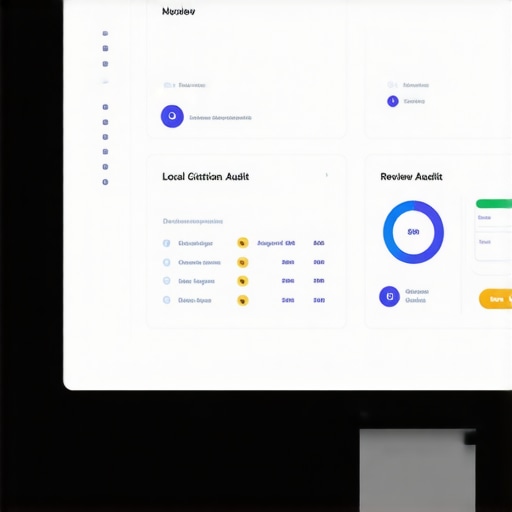
Image description: A screenshot of a local citation audit tool interface, highlighting consistent NAP data across multiple directories. Alt text: Citation audit dashboard showing uniform business information.
,
The Hard-Earned Lessons That Changed My Approach
One of the most eye-opening moments in my journey was realizing that simply claiming my Google My Business profile wasn’t enough; I needed a comprehensive, ongoing strategy. I learned that regular citation audits and active engagement are crucial—neglecting them can undo months of work overnight. Another lesson was understanding that algorithm changes are inevitable, and adapting quickly is key. I also discovered that personalized, authentic content resonates more with local audiences than generic posts, boosting both visibility and trust. Finally, I found that integrating advanced tools for monitoring and optimization dramatically accelerates results, turning a tedious process into a strategic advantage.
Tools and Resources That Became My Secret Weapons
To streamline my efforts, I rely heavily on GMB service solutions. This platform helps me maximize my local map presence with automated updates and review management. I also use these advanced maps optimization techniques to stay ahead of the curve. When auditing multiple citations, citations management tools are indispensable for ensuring data consistency. For content planning, I turn to content scheduling resources that keep my profiles fresh and engaging. These tools have become the backbone of my local SEO success, making it manageable and even enjoyable.
Your Next Step in Local Map Mastery
Embracing the real intricacies of local map SEO can transform your business’s visibility and growth. You’re already equipped with the right knowledge—now it’s time to take action. Whether it’s tightening your citation consistency, exploring new content strategies, or leveraging cutting-edge tools, every small step compounds into significant results. Remember, the local map landscape is constantly evolving, and staying proactive is your best defense against obscurity. Why not check out these proven strategies to give your business the edge it deserves? The future of your local presence awaits, so get started today!”}])}#END#}# Answer:{
![5 AI Review Summary Fixes for the 2026 3-Pack [Local Map SEO]](https://localmapseoservice.com/wp-content/uploads/2026/02/5-AI-Review-Summary-Fixes-for-the-2026-3-Pack-Local-Map-SEO.jpeg)
![How to Pass Google’s 2026 Review Verification [Local Map SEO]](https://localmapseoservice.com/wp-content/uploads/2026/02/How-to-Pass-Googles-2026-Review-Verification-Local-Map-SEO.jpeg)